

Treading the Past: A Conversation with Philippa Lacey
As founder of British History Tours, Philippa has made it her mission to connect history lovers with the people, places, and stories that have made British history.

If you’re someone who dreams of standing where history happened — whether it’s walking the echoing halls of a well-known Tudor palace or tracing the path of a Scottish rebellion — then you’ve probably already come across the work of Philippa Lacey.
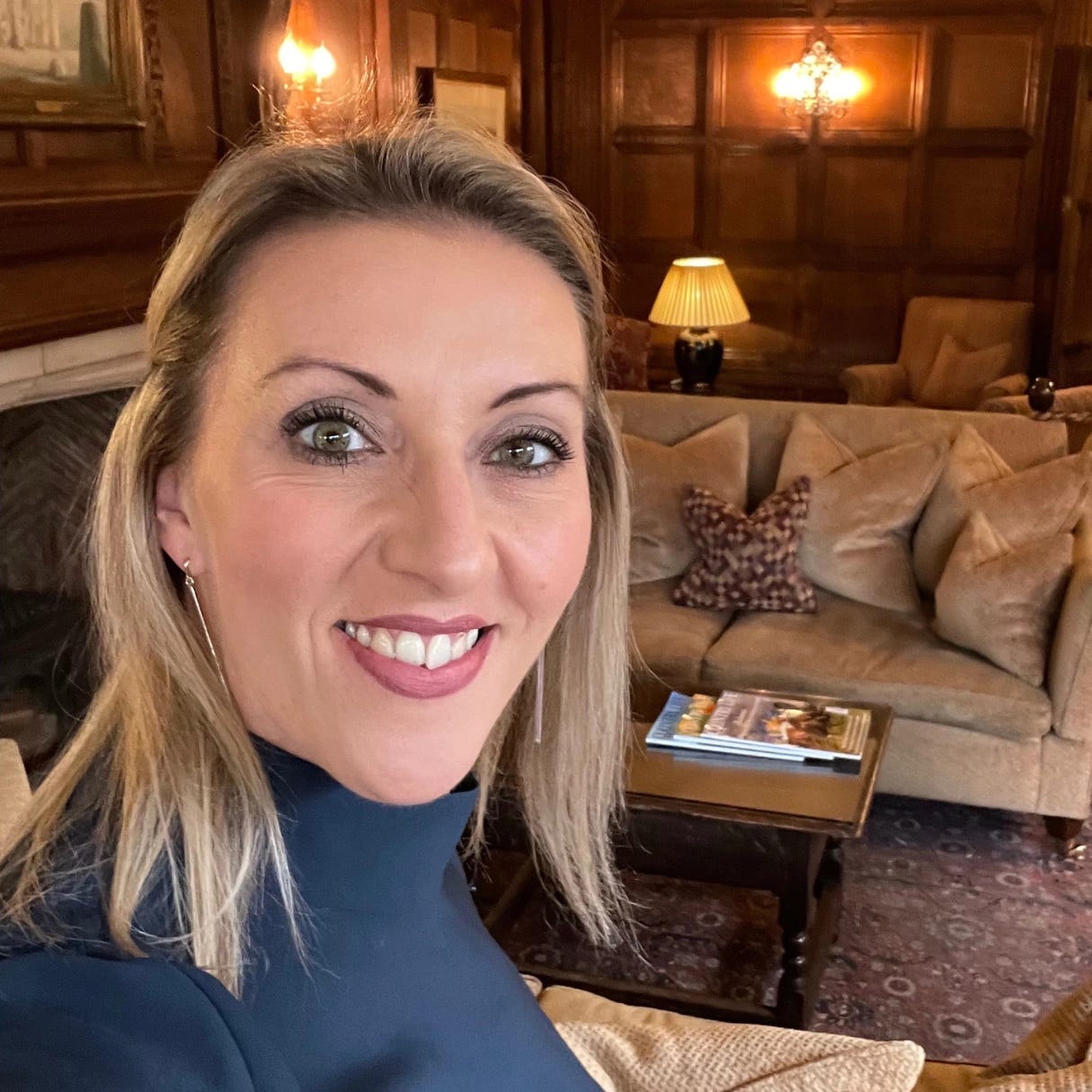
We’ve long admired the immersive experiences that Philippa curates for her guests. Her Substack newsletter British History with Philippa B blends deep research with real personality, and offers insights into everything from Tudor politics to quirky local legends.
Bookings for her 2027 tours opened on Wednesday, 11th February 2026, and are selling out fast.
It was a real pleasure to speak with Philippa recently to learn more about how her business began, what makes her tours special, and why physical places still matter so much when it comes to understanding the past.
WHW: Welcome Philippa - thanks for taking the time to speak to us today. Tell us about British History Tours — what inspired you to start this venture, and what makes your tours different from the usual tourist trail?
Philippa: Thank you for inviting me. The inspiration for British History Tours goes right back to when I was at University reading Psychology and Business. I was looking for a female leadership figure to inspire me and I began to read about Elizabeth I. I was fascinated by her and the times in which she lived in, and thrilled to find out that so many of the places in which her story unfolded were still in existence and available to visit. The idea of standing in the places where history happened really excited me, thus began a 25+ year obsession with travelling through the UK’s history.
However much I read about a place, I found that there was always more to discover by visiting it, especially independently run or smaller locations. There is informational gold to be found in a locally-produced booklet about a church and its parish, or by talking to the staff and volunteers at a location, and simply by using one’s own observational skills to notice features of a building or landscape.
In the early days of my history adventures, I would do lots of research before I visited a place, wanting to know as much as I could about what happened there but, as I stood in these spaces, I noticed people just walking through, sometimes at quite a pace, and I thought “Oh no! They don’t know what happened here!” I felt like they were really missing out, and that bothered me. A few years later and that seed of a thought had grown into a full business plan to take people on historical tours to tell the stories of the past in the places they happened. I think that is fundamentally what makes them different from simply visiting the same places on a day out. Our tours bring together eminent historians, expert guides and carefully thought out itineraries to tell a story across several days and places, all packaged into a luxury experience with great food and gorgeous hotels.
WHW: What’s one moment you’ve had on a tour that really stopped you in your tracks — something that reminded you why you love what you do?
Philippa: Any moment where a guest walks into a place which takes their breath away. It honestly makes me emotional. The Great Hall of Hampton Court Palace is one place that never fails to bring out a “Wow” - which is exactly what it was designed to do 500 years ago. When it’s a place that’s a complete surprise (I like to add hidden gems into itineraries when I can) then that’s even better. Harvington Hall, for example, brought a lot of smiles to people’s faces and to me. That is what it is all about - experiences and memories.
WHW: In an age when so much history is online or in books, why do you think being physically present at historic sites still resonates so strongly with people?
Philippa: There is literally no substitute; not video, not virtual reality, not reading, nothing, to being in the places where history happened. It’s been said before, but bears repeating, when you are standing at a historical site it is simply time and not space that separates you and the past.
Historical sites have an energy; you simply have to be there to experience that. Fountains Abbey, for example, is such a remote, beautiful and surprisingly large site that photographs cannot convey the same level of appreciation for the site and, by extension, the people who once occupied it, as being there does. That is just one example but I cold think of many, many more.
Add to all that what I mentioned earlier about discovering things that simply can’t be gleaned from reading or viewing another person’s account and I think that is why being physically present in a historical site is so compelling.
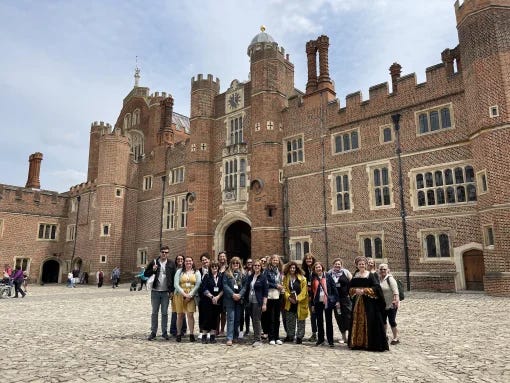
WHW: Your tours often draw on Tudor history — why do you think this period continues to capture people’s imaginations so vividly?
Philippa: The Tudors have it all; glamour, sex, intrigue, conspiracies, heroes and villains. They ruled over fundamental shifts in the way of life in the country, the repercussions of which continue to this day.. The landscape bears the scars of the dissolution of the monasteries under Henry VIII. The art and architecture of the time have given us many wonderful survivors from the period meaning we can “see” better than any period beforehand what places and people looked like. Food history, practiced at places like Hampton Court Palace, even tell us what their food smelled like (for the Royal court at least). The amount of information available is vast, and more is being discovered all the time from new discoveries and reexamination of old.
The period has huge personalities too, Henry VIII and Elizabeth I as the obvious examples but then there is Anne Boleyn, the ill-fated and judiciously murdered second wife of Henry VIII, Margaret Beaufort the matriarch of the Tudor dynasty, and so many others.
They are most certainly not the only interesting period in British History though. I would encourage anyone who thinks they are only interested in the Tudors to expand their reading into the period beforehand, the ‘Wars of the Roses,’ (which we happen to have a new tour on in 2027) to understand the context into which the Tudors emerge, and the Stuarts, to see the immediate repercussions of a dynasty which brought about religious flip-flopping and died out within three generations.
WHW: What do you think surprises people the most when they join one of your tours and keeps them coming back for more?
Philippa: There are two comments that come up most in the feedback we get from guests. The first is that we absolutely deliver on our promise that all the arrangements are taken care of and they can simply enjoy the experience and not have to worry about a thing. The other, and this was a very pleasant surprise to me as well in the beginning, is the friendships made on our tours. Very often people meet on a tour and come back on future tours together. Our rebooking rate is around 70% with some people already booked for their 7th or 8th tour with us.
You can explore Philippa’s latest itineraries and find out more about upcoming tours at:
www.britishhistorytours.com
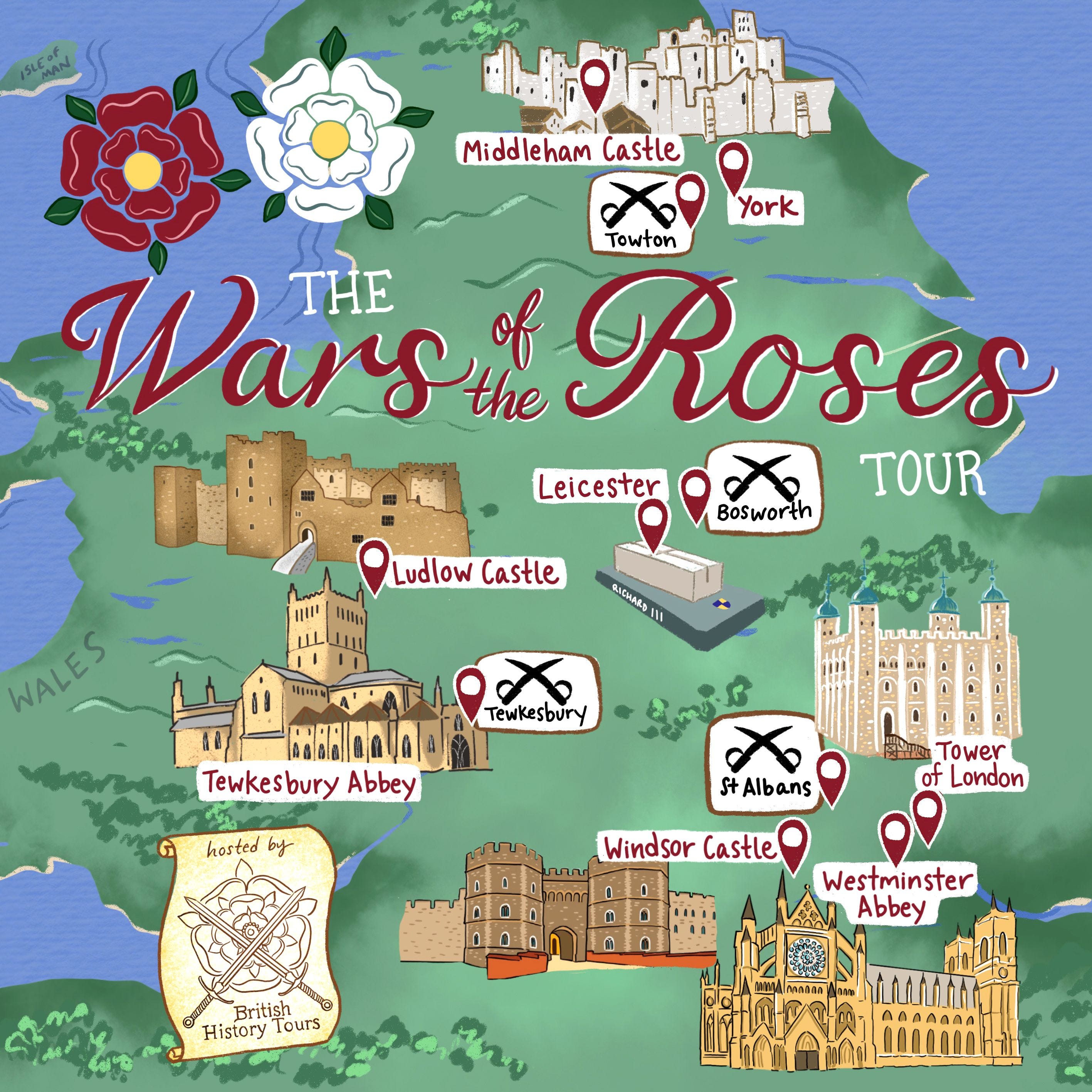
The Wars of the Roses Tour
20th - 29th April 2027
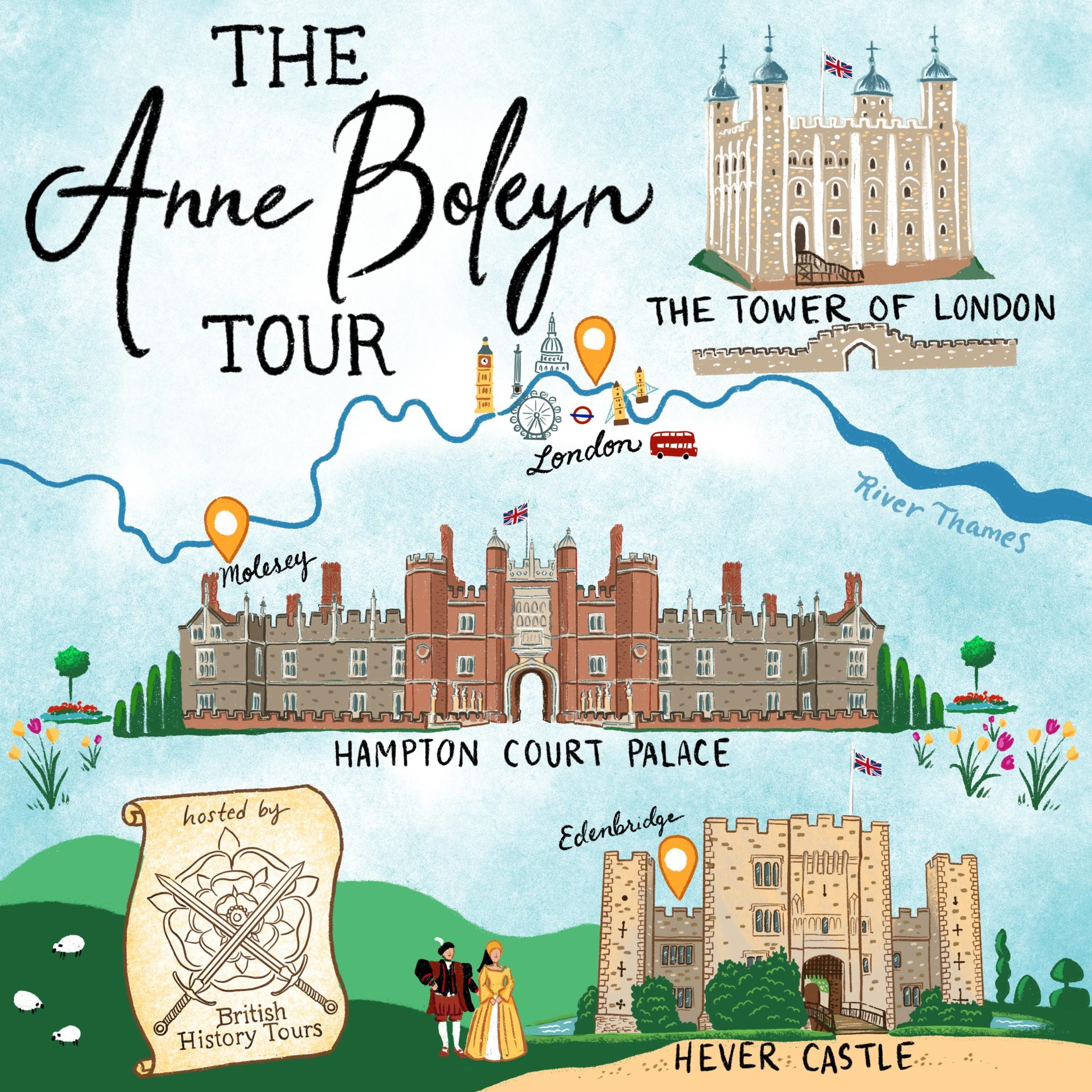
The Anne Boleyn Tour
17th - 21st May 2027
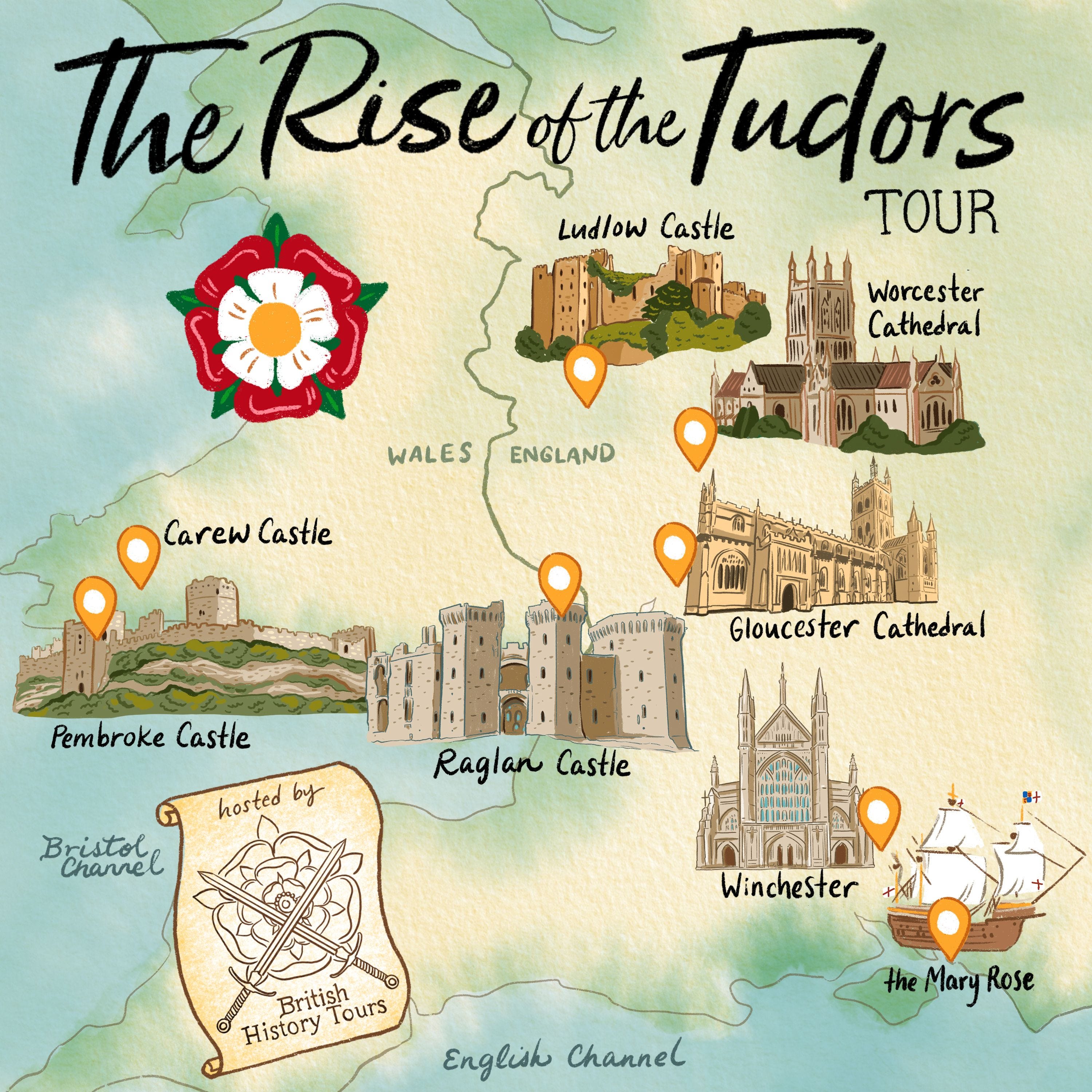
The Rise of the Tudors Tour
20th - 27th June 2027
We’re proud to have British History Tours as a supporting partner of the upcoming Wolf Hall Weekend by the Tower of London 2026.
For all the latest updates on Wolf Hall Weekend 2026, including speaker announcements, venue details, and ticketing info, visit:
www.wolfhallweekend.com